When couples begin planning their wedding, floral design is often one of the categories that can be surprisingly difficult to understand from a budgeting perspective. It's easy to look at a centerpiece or bouquet and think about the flowers themselves—but the finished arrangement represents so much more than the individual stems.
As a floral designer, I want couples to understand what goes into creating wedding flowers, because the process begins long before the arrangements arrive at the venue.
From sourcing and conditioning flowers to designing, transporting, and installing everything on the wedding day, there are many moving parts that contribute to the overall investment.
Here's a closer look at what actually goes into the cost of wedding floral design.

01. The Flowers Themselves
Of course, the flowers are an important part of the investment.
Different varieties have different costs, and pricing can fluctuate depending on the season, availability, growing conditions, and demand. Some flowers are readily available throughout much of the year, while others may need to be sourced from specialty growers or brought in from farther away.
Flower selection also matters. A design featuring premium garden roses, orchids, peonies, or other specialty blooms will have a different material cost than one built around more readily available seasonal flowers.
And it's not simply about choosing the most expensive flowers. The quantity, scale, variety, and overall composition of the arrangements all influence the floral budget.
02. Sourcing and Flower Transportation
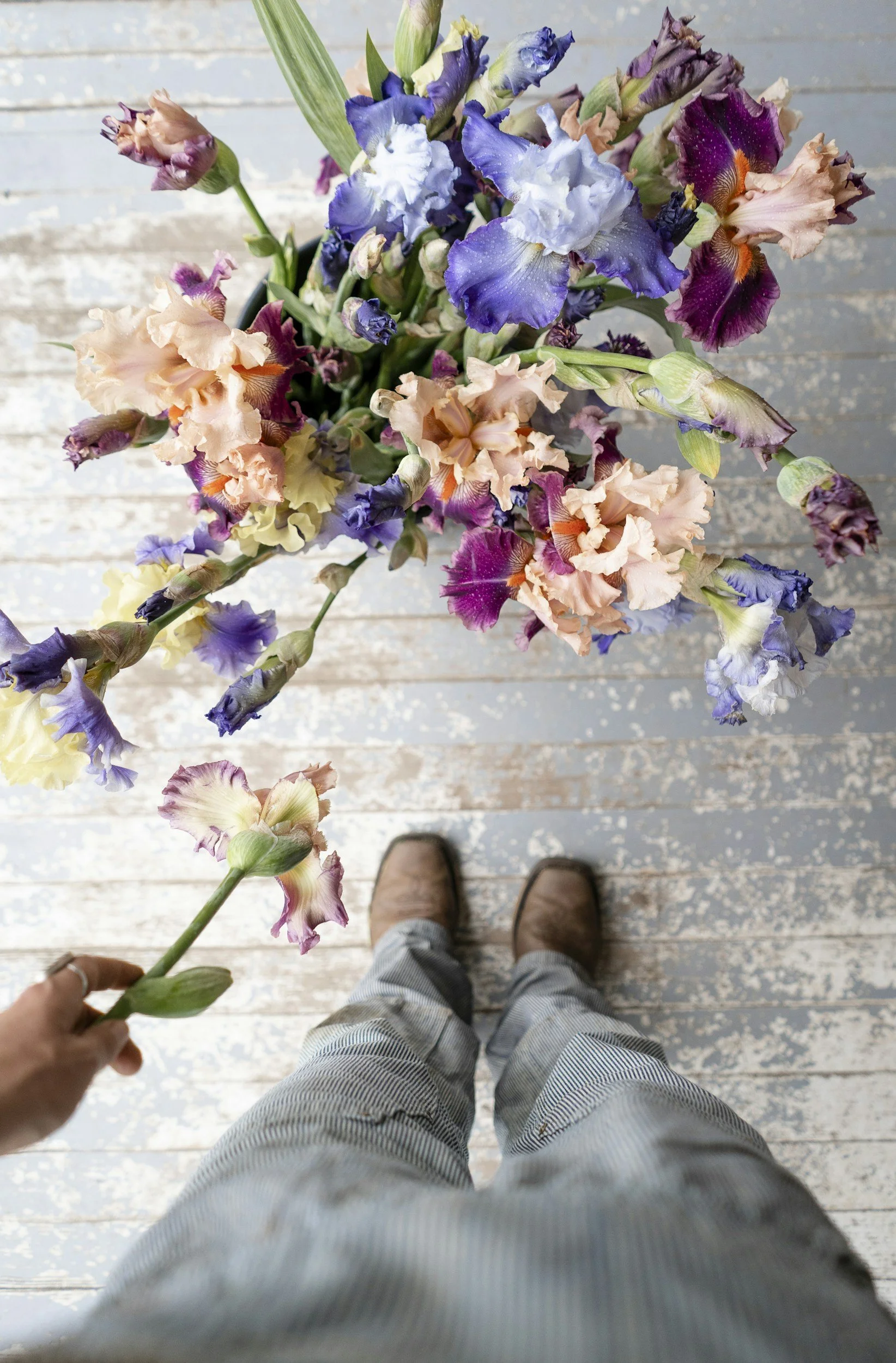
Many flowers used in wedding design travel considerable distances before they ever reach a floral studio.
Flowers may come from local growers, domestic farms, or international growing regions. They are carefully harvested, packed, and transported through a supply chain designed to keep them fresh.
Transportation, freight, handling, and distribution all contribute to the cost of getting flowers from the grower to the floral designer.
Availability can also change throughout the year, which means a flower originally envisioned for a design may need to be substituted or sourced differently depending on the season.
03. Flower Processing and Storage
Fresh flowers require care as soon as they arrive.
Before they can be used in arrangements, many flowers need to be unpacked, inspected, hydrated, cleaned, and conditioned. Stems may need to be trimmed, foliage removed, and flowers placed in appropriate storage conditions so they can develop properly and remain fresh.
Refrigeration is an important part of floral production, particularly when working with large quantities of flowers for weddings.
Floral studios may also need dedicated coolers, workspace, supplies, and equipment to support the process. These operational costs are part of maintaining the quality and freshness of the flowers throughout the design process.
04. The Creative Design Process
One of my favorite parts of floral design happens well before the wedding day.
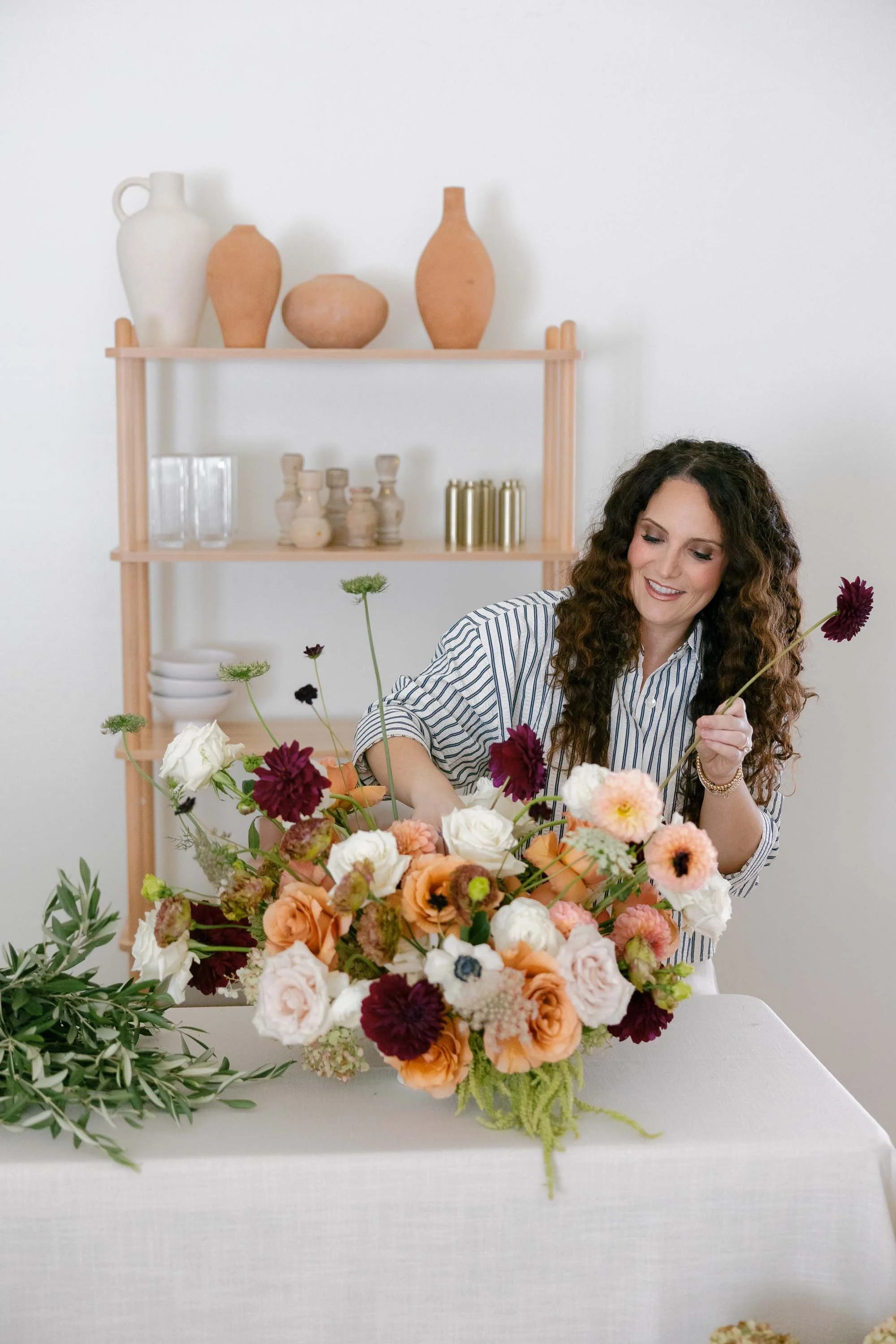
Every celebration begins with a vision. I consider the venue, architecture, landscape, color palette, season, and overall aesthetic of the event. From there, I begin developing a floral direction that feels cohesive and personal to the couple.
This creative process includes selecting flower varieties, considering textures and colors, determining the scale of arrangements, and planning how each floral element will work within the overall design.
The design process also involves communication, planning, revisions, and coordination to ensure that the floral vision is thoughtfully developed and achievable.
You're not simply purchasing flowers. You're investing in the design expertise that brings them together into something meaningful.
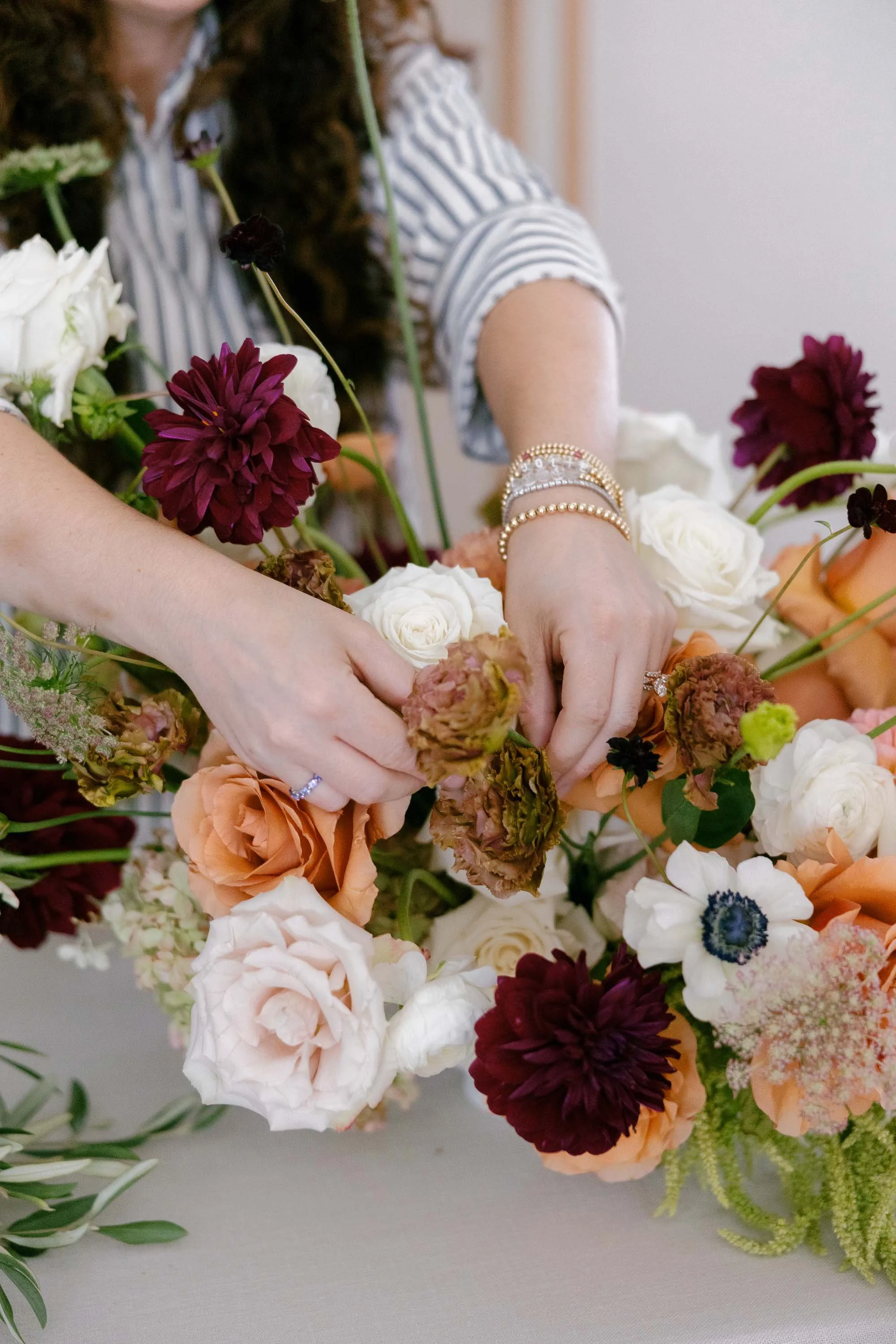
05. The Mechanics and Materials Behind the Arrangements
Flowers don't always stand on their own.
Depending on the design, arrangements may require vessels, floral foam alternatives, chicken wire, structural supports, installation mechanics, floral tape, wire, ribbon, and other materials.
Large ceremony installations, suspended flowers, statement arrangements, and floral structures can require considerably more preparation and materials than a simple vase arrangement.
Even smaller details, such as candles, vessels, or specialty containers, may contribute to the overall design investment depending on what is included in the floral proposal.

06. The Labor Behind Every Arrangement
This is one of the most important factors to understand when considering wedding floral pricing.
Every arrangement requires time and skilled hands.
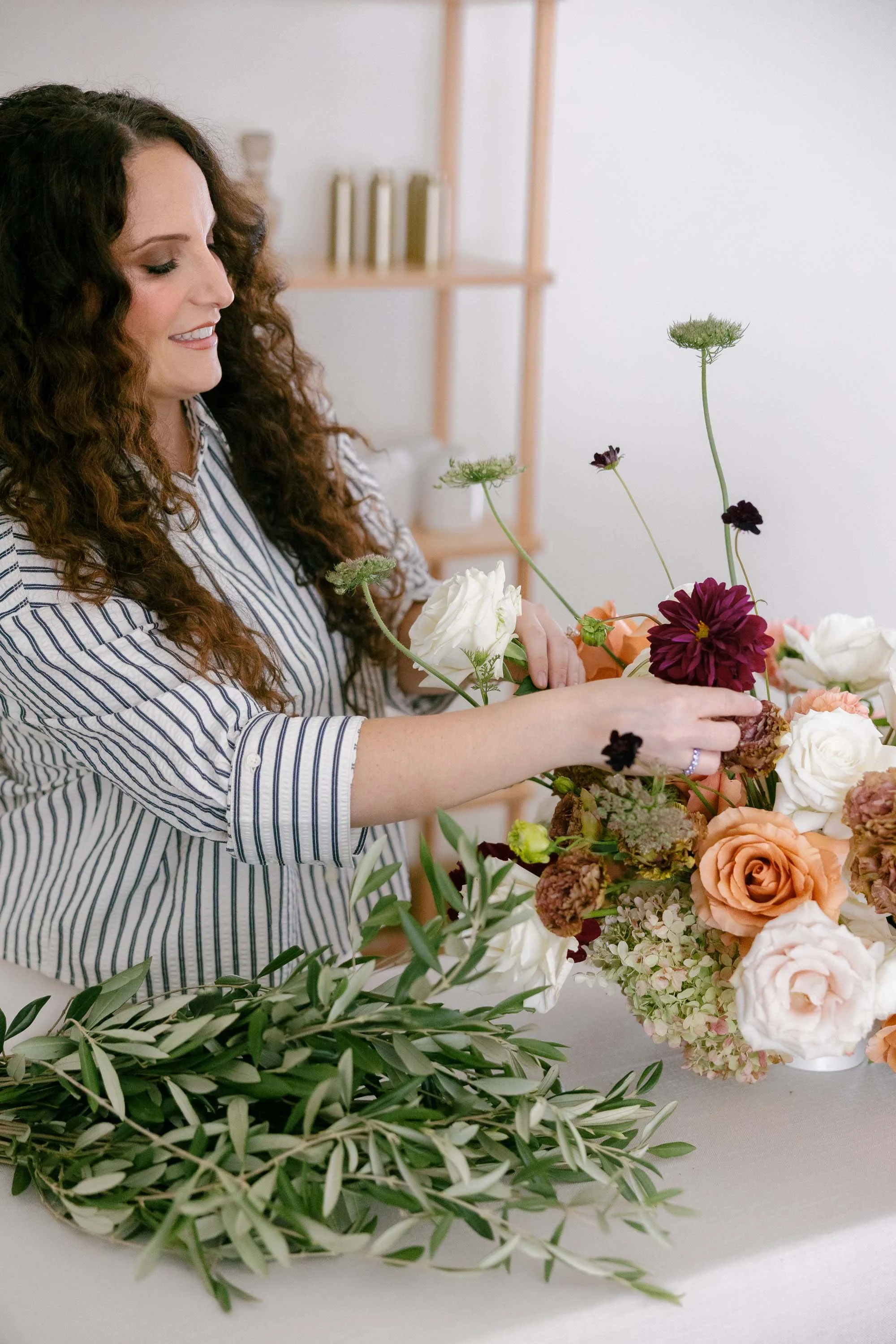
Bouquets are carefully constructed. Centerpieces are designed and assembled. Ceremony flowers may require substantial preparation. Larger installations can involve multiple designers and assistants working together.
The labor doesn't begin on the wedding day, either. Much of the work happens beforehand, as flowers are processed, arrangements are created, materials are prepared, and the entire event is organized for installation.
The complexity and quantity of the floral design directly influence how much labor is required.
07. Transportation and Delivery
Once the flowers are ready, they need to get to the wedding venue.
Depending on the celebration, this may involve multiple vehicle trips, specialized transportation, careful packing, and coordination with the venue and other vendors.
Some floral designs require more transportation than others, particularly when a wedding includes several locations or substantial installations.
Vehicle expenses, fuel, travel time, loading, unloading, and the logistics of moving delicate floral arrangements safely are all part of the process.

08. Installation at the Venue
This is where the floral design truly comes to life.
Installing wedding flowers is much more than placing arrangements on tables. Ceremony installations may need to be constructed on-site. Floral structures must be positioned securely. Arrangements need to be placed according to the design plan, and the entire space must be styled so everything feels intentional.
Larger installations may require additional equipment, assistants, ladders, structural support, and significant setup time.
The venue itself can also influence installation requirements. Access times, loading areas, stairs, distance between event spaces, and venue restrictions all affect how the work is completed.
09. Breakdown and Removal
The work doesn't necessarily end when the celebration begins.
Depending on the agreement and the event, floral teams may also be responsible for returning to the venue to dismantle installations, collect rental items, remove mechanics, and clear floral materials.
Some venues require everything to be removed immediately following the reception, while others allow later collection.
Breakdown and removal require additional time, labor, transportation, and coordination—all of which may be included in the floral proposal.
10. The Overall Investment
When you look at all of these elements together, it becomes easier to understand why wedding floral design is more than a calculation based on the number of flowers in a bouquet or centerpiece.
The overall investment reflects the materials, creative expertise, preparation, production, labor, transportation, installation, and logistics required to bring the design to life.
Every wedding is different. A celebration with personal flowers and a few simple arrangements will have very different requirements than a wedding featuring a large ceremony installation, abundant reception flowers, and multiple floral statements throughout the venue.
Neither approach is inherently better. The important thing is understanding what matters most to you and working with your floral designer to create a plan that aligns with your vision and budget.

Beautiful Flowers Begin Long Before the Wedding Day
One of the things I love most about floral design is that the finished arrangements are only the visible part of a much larger creative process.
Behind every bouquet, centerpiece, and installation is a thoughtful combination of design, planning, preparation, and hands-on work.
When couples understand what goes into creating their wedding flowers, they can make more informed decisions about their floral investment—and appreciate the many details that bring the final design together.
If you're beginning to plan your wedding flowers, I'd love to hear about your vision. Together, we can explore the possibilities, prioritize the elements that matter most, and create a floral design that feels beautiful, personal, and completely your own.